
The Oral Cancer Foundation - Support, Education & Research
Our Mission
To save and improve lives!
Dedicated to raising awareness, educating and promoting the early detection of mouth cancer as well as supporting those affected by it.
Preventing mouth cancer
Each year, approximately 53,000 Americans are diagnosed with oral (mouth) cancer. But experts worry this number will grow following the COVID-19 pandemic.
The concern stems from the recent increase in alcohol and tobacco use. These are the two biggest risk factors for cancer in the oral cavity, which includes the lips and all the pink areas in your mouth back to, but not including, your tonsils.
According to Abie Mendelsohn, MD, a UCLA Health ear, nose and throat (ENT) specialist, the heightened risk isn’t the only problem. “In addition to an increase in smoking and alcohol use during the pandemic, we’ve seen a big decrease in health maintenance,” he says. “That means people are increasing their risk of oral cancer and not scheduling routine care with their dentist or doctor.”
Oral cancer is harder to detect early without regular screening, and late-stage oral cancer can be lethal. The five-year survival rate is 67% if the cancer spreads locally and 40% if it spreads to distant parts of the body.
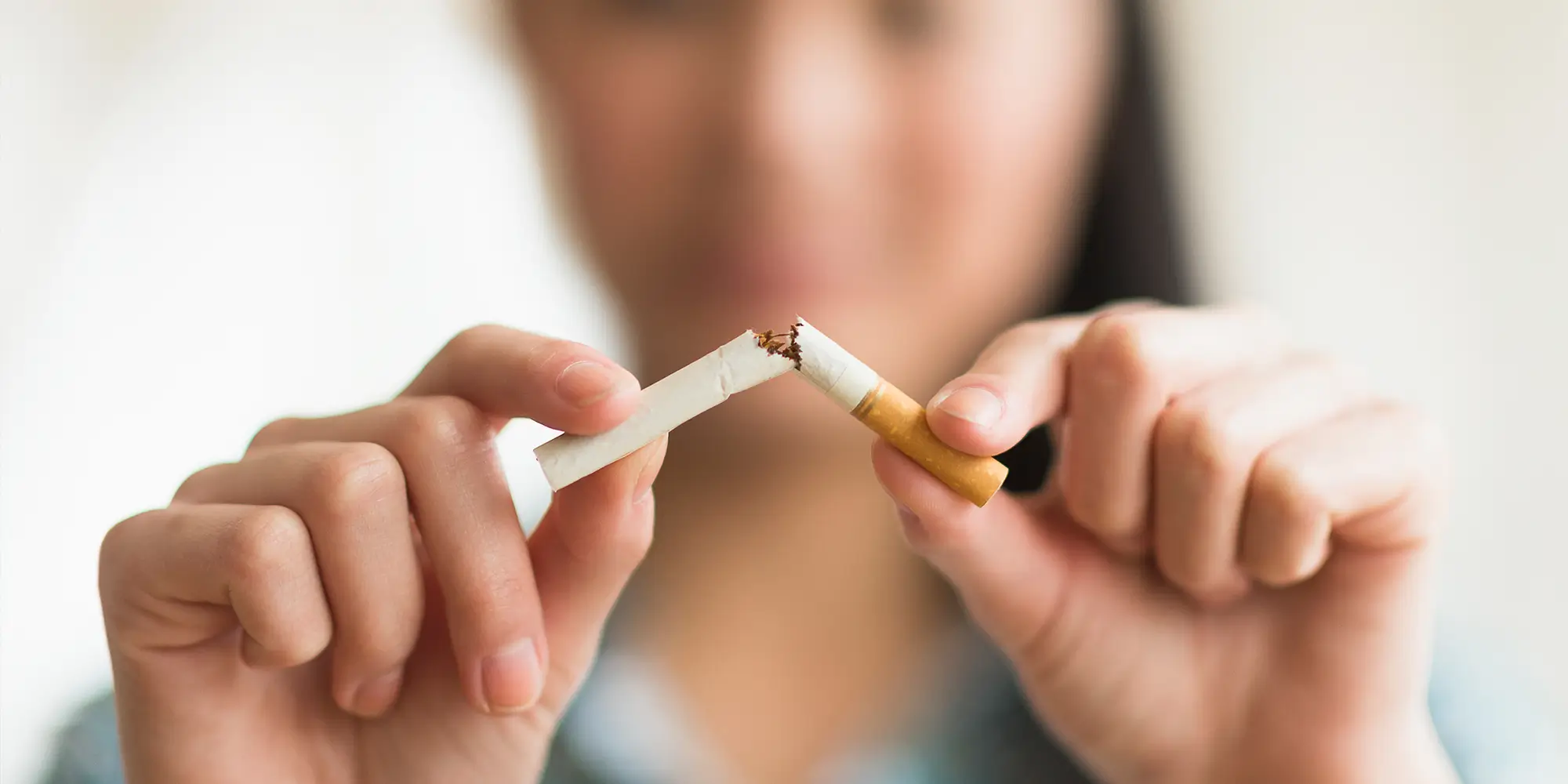
Avoid Tobacco Use
Many head and neck cancers are linked to smoking cigarettes or chewing tobacco. NYU Langone doctors strongly urge people who smoke to quit. Perlmutter Cancer Center’s tobacco cessation programs provide assistance and resources to help you stop smoking. After you’ve quit, many precancerous lesions shrink and may even disappear.
Limit Alcohol Intake
Long-term, heavy alcohol use increases the odds of developing oral cancer. A combination of heavy smoking and drinking raises the risk even more.
NYU Langone doctors advise drinking alcohol in moderation—no more than two drinks per day for men and no more than one drink per day for women.
Ask your doctor how to find support if you want to cut back.


Reduce Exposure to Ultraviolet Light
Oral cancer includes cancer that forms on the lips. You can prevent this type of cancer by limiting exposure to damaging ultraviolet (UV) rays from the sun and tanning beds. Wear lip balm with a sun protection factor, or SPF, of at least 30 to block damaging UVA and UVB rays.
Limiting exposure to UV light can also help prevent skin cancer, including melanoma and basal and squamous cell skin cancers.
